
3 Interview Techniques for Evaluating Engineering Candidates

This blog will cover three effective interview techniques that can help you evaluate an engineering candidate’s technical skills, as well as their personality and soft skills.

Hiring engineering talent can be challenging, especially if you are not a trained engineer. How you evaluate their skills depends on the position you’re hiring for, the types of projects they’ll be working on, and your company culture. With so many different types of engineers, you need different interview techniques to evaluate them properly.

This blog will cover three effective interview techniques that can help you evaluate an engineering candidate’s technical skills, as well as their personality and soft skills.

1. Focus on Content

Before interviewing candidates, you must decide exactly what core skills you are looking for. Look at the purpose of the engineering role and what technical or practical expertise is needed. Consider bringing in one of your senior engineers to consult about exactly what skills you’re looking for. You could also ask your whole engineering team what questions they would like to be asked to test a candidate’s aptitude for the position.

2. Be Consistent

Once you establish what you are looking for, be consistent with each candidate interview. Ask every candidate the same questions; this will allow you to effectively compare candidates and more accurately determine who fits the role.

Consistency in your interview questions helps you avoid being biased toward candidates. Prime talent may not shine on paper. Resumes, specifically educational credits and past work experience, can be impressive. However, just because a candidate looks good on paper does not mean they will be a good fit for your company and the role in question. Asking consistent questions allows you to compare candidates on a level playing field.

3. Be Creative

When it comes to evaluating engineering talent, be creative with your questions. The goal is to evaluate how a candidate will handle a problem or provide a strategy to help them succeed in the role you seek to fill. Your engineering team can be very helpful in formulating questions that determine technical skills and assess the candidate’s soft skills in handling situations.

Conclusion

Preparing an effective engineering interview takes time, patience, and focus. By focusing on the hard and soft skills needed for the role and enlisting your engineering team to help you vet prospective candidates, you can develop practical questions and techniques to interview engineering candidates and find the right fit for the job.

Let us help you hire top engineering talent! Contact ABBTECH today!

Should You Return to Work Post Great Resignation?

Now that the stresses of the pandemic have passed, many Great Resignation participants are considering returning to their former jobs.

The aftereffects of the pandemic and economic upheaval created and unprecedented trend dubbed “the Great Resignation.” This churn in the labor market resulted in nearly half of all U.S. workers quitting their jobs.

In 2022, records numbers of employees continued to leave their jobs. Among the industries most affected by resignation in 2022 were:

  • Accommodation and food services
  • Leisure and hospitality
  • Retail trade
  • Trade, transportation, and utilities
  • Professional and business services

Now that the stresses of the pandemic have passed, many Great Resignation participants are considering returning to their former jobs. Returning to a work environment where you were formerly employed is a big step that requires serious thought. This blog will discuss a few questions you should ask yourself when considering returning to your former workplace.

Key Questions to Answer

When you’re contemplating a return to your old job, consider these key questions to determine if it is the right move:

1. Why did you initially leave your job? To get away from something or go toward something?

The reasons you left your job in the first place are crucial to making this decision. Did you leave because career growth was stagnant or the workplace culture was toxic? Understanding your reasons for leaving will help you determine if returning is worthwhile.

2. Have the conditions changed if you left because you were unhappy?

Whatever made you unhappy in the job, has it changed? Are working conditions better? Is a toxic situation no longer an issue? Have growth opportunities improved?

3. What do you miss about your old job? How much do you miss it?

Understanding what you miss and why is essential, whether it’s the work itself or the workplace culture you were a part of. List everything you miss about your old job and workplace versus what you don’t. If the positives you miss outweigh the negatives you don’t, then a return to your old position might be wise.

4. Can you see potential growth and a bright future with your new role?

Maybe you have acquired new skills and abilities that open new prospects within your old workplace. Or perhaps you want a chance at a leadership position. Pursuing a new role with your old company should have value and career growth opportunities.

Conclusion

There are many reasons you may decide to return to your former job. You’re off to a good start if you parted on good terms and maintain a good relationship with former coworkers and managers. Take the time to ask and answer the right questions about your motivations and goals for returning and the current company atmosphere. Once you have your answers, you can confidently apply for a new role at your old workplace.

If you ultimately decide a new job is best for you, let our team at ABBTECH lend you a hand!

5 Leadership Strategies for Managing Remote Teams

If you are still learning to manage your remote workers effectively, here are 5 effective strategies for managing remote teams.

The pandemic forced many businesses to shift to hybrid or fully remote teams. The transition was challenging for some companies, and many managers are still learning and adapting to managing their remote teams.

If you are still learning to manage your remote workers effectively, here are 5 effective strategies for managing remote teams.

Trust your Remote Teams

Nothing brings out the best in an employee like managerial trust. Trusting your employees to self-manage themselves to complete tasks and accomplish goals increases their trust in you as a manager. They become more confident, more productive, and more capable. Limit yourself to quick morning meetings and check in on progress only when necessary.

Host Daily Meetings

Tracking your team’s progress may be complicated when your team is remote, but it is not impossible. Beginning each day with project-oriented meetings ensures you are all on the same page professionally. Daily meetings allow your remote employees to manage their own time. They also allow you to give them your full attention once a day while avoiding micromanaging.

Encourage Communication

Regarding communication, work-related communication is only part of the equation. Employees need to know that you are not only invested in their work results but also in them as a person. Take moments to reach out to employees, especially ones you don’t usually speak to. Be empathetic, and never let your employees forget that you see them as people first. This should be a daily exercise in building communication and company culture.

Provide Time and Space for Building Connections

It’s also important to note that improving company culture means encouraging employees to build connections with each other. The best way to do that is to provide time and space for employees to build those connections. This may seem difficult with a hybrid or remote team, but many virtual opportunities are available to bring people together. Team members can come together for games, a virtual happy hour, or other online team-building activities.

Lead with Empathy

Psychological safety is a vital element to create for your team, especially for hybrid and remote teams. You can do this through all of the ways listed above and more. Create a shared purpose for your team members, ask for their perspectives on projects and new hires, and create opportunities for bonding. Then sit back and watch as their confidence and productivity soar.

Conclusion

Managing your remote or hybrid team doesn’t have to be complicated. Keep the strategies above in mind and you’ll be well on your way to effectively keeping your teams aligned and productive.

If you’re searching for a leader to lead your remote team, ABBTECH can help!

Recent Graduate? Here are 3 Tips For A Successful Job Search

Are You a Recent Graduate? Here are 3 Tips for Kicking Off a Successful Job Search

Are you a recent college graduate? Congratulations! Once the thrill of graduation has passed, it’s time to start the search for your first post-college job. But where to start? Knowing where you should begin with job searching can be overwhelming.

In this blog, we’ll break down a few top tips & tricks to help you start a successful job search post-graduation.

Tip #1: Recent Graduates Should Create a Professional Online Presence

Before you search for a job, the first step is to ensure that your professional portfolios, profiles, resumes, and cover letters are updated and accurate. This includes maintaining a website or another dedicated site where your professional materials can be accessed via a link when needed.

Update your resume to reflect your education, experience, and skills (hard and soft). You likely don’t have a deep resume filled with work experience. So be sure to include internships, volunteer work and any other acquired skills or training you’ve completed. Prepare multiple versions of your resume depending on the type of job you’re looking for, this will help you to submit the most relevant resume for the role.

Tip #2: Recent Graduates Should Grow and Expand Their Network

As a recent graduate you may think your network is small right now, but the connections you’ve made with other recent graduates, students, and professors are very valuable. Try to cultivate and expand your current network. Stay in touch with former professors and classmates. Stay connected to your school alumni, as well as alumni groups related to your major and any honor programs or clubs you participated in. A former pickleball partner could be the key to your dream job.

Tip #3: Recent Graduates Should Consider Using a Recruitment Firm

Searching for a new job is time-consuming and can be overwhelming. While you may want to do it independently, consider skipping the traditional job search and working with a recruitment firm. Recruitment firms are uniquely positioned to get you in front of employers looking for candidates like you.

Working with a recruitment firm also allows you to see a high-quality array of job offers, all pre-vetted and legitimate, so you can safely and confidently submit to them.

Conclusion

As a recent graduate, finding your first job after college can be an intimidating experience. However, if you take time to build your employee brand through a professional online presence, foster a solid network of diverse contacts, and work with a recruitment service like ABBTECH, you’ll be settling into your brand new job in no time.

For help finding your post-grad dream job, let ABBTECH lend you a hand!

Laid Off? Bouncing Back in Today’s Market

The economic downturn has taken its toll on the job market, especially in the tech industry. Since the start of 2023, 127,000 tech sector employees have been laid off worldwide. If the current rate continues, another 900,000 jobs could be lost this year. The fear of recession has forced more than 350 tech companies to layoff workers, including Amazon, Google, Meta (Facebook), Microsoft, Netflix, Salesforce, Spotify, and Twitter.

If you’ve recently been laid off, you’re likely not sure what to do next. Let’s look at some valuable tips that can help you change your mindset, look for new opportunities, and bounce back in no time.

5 Tips to Help You Navigate a Layoff

1. Take Time to Recover, Relax & Reflect

While you don’t want to waste too much time before starting your new job search, it’s also important to mourn the loss of your job. Job loss can be traumatic, and you have to work through the stages of grief before attempting to look for new work.

Even if you knew layoffs were possible, the effect of being laid off can be shocking for your physical and mental wellbeing. Use this time to take care of yourself as you work through grief and recovery. Relax and use the time to heal, maintain a positive mindset, and reflect on what you liked and disliked about your old job.

2. Reach Out to Your Network

Your departure from work may have been sudden, so reach out to friends and colleagues from your former job. Let them know how to get in touch with you. Also, reach out to professional connections who would be willing to provide references for you.

3. Update Your Job Searching Materials

Review all of your job search materials, including your resume, your online portfolios, social media accounts, and cover letters. Highlighting your accomplishments and skills rather than job titles can position you better for interviews. It also lets hiring managers see your layoff wasn’t performance-based.

4. Learn New Skills

The time following your layoff is an ideal time to take skills related classes. Experience and certifications in new skills can help your resume stand out to recruiters and hiring managers. Improving your knowledge and expanding your skills can also improve your outlook and boost your confidence as you move forward.

5. Work with a Recruiter

When you’re ready to start your job search in earnest, consider working with a high-quality recruiter. A good recruiting agency is well connected throughout the business world. Whether you want a full-time job or want to pursue contract or temp work, a recruiter can find the right position for you and recommend you for it.

Conclusion

Being laid off can be an unexpected and scary experience. By focusing on new opportunities and utilizing your network and skills, you can bounce back from your loss in no time.

For help finding your next career move, turn to ABBTECH!

Employee Layoffs: How to Conduct Layoffs Respectfully

How to Conduct Employee Layoffs Effectively & Respectfully

Employee layoffs can and should be a difficult task for an organization. You may have to let employees go that may have worked for the company for years. The decision to lay off workers should never be made lightly. While the process of handling layoffs is clearly outlined in federal and state laws, your top priority should be the employee’s dignity. Here are a few tips to keep in mind to ensure the process is as effective and supportive for your employees as possible.

Employee Layoffs Communicated With Empathy

The financial and structural necessity for employee layoffs may have you stressed and distracted. However, it is essential to remember that your employees are people facing a stressful situation as well.

Give Team Members Advance Notice

Before layoffs begin, take the time to talk to your staff. Let your team members know that layoffs may occur and the reasons why. If the company is struggling, your employees deserve to know before potential layoffs. 

Conduct Layoffs Individually and Privately

When layoffs begin, treat each employee dismissed with dignity and respect. Ensure that you discuss the layoff in person and make the meeting private.

Be Clear and Supportive

Be prepared with the resources and support they need. If the layoffs are temporary, make sure your employee understands the process and their job prospects with the business moving forward. For employees who will not be returning, provide information, resources, feedback. Also, provide references to employees to help them as they move forward in their job search.

Support Your HR Teams

Employee layoffs can be an overwhelming time for your Human Resources department, and the effects of that could potentially spill over to the recently laid-off employees. The impact of job loss is stressful, and your employees may need more support and information than your HR team can handle.

If your company is dealing with large-scale layoffs, create a dedicated online portal or website with resources and information for impacted employees. Provide as much information as you can in writing so that laid off workers can review the materials at home. This allows your HR team to work more efficiently.

Conclusion

Finally, recognize that employee layoffs can be one of the most difficult times for your company. Also, recognize that it is also an opportunity to demonstrate your sensitivity, professionalism, and the company values that epitomize your brand.

When you’re ready to build your team back up, let our team at ABBTECH lend you a hand!

5 Tips to Get Your Good Work Noticed on the Job

Getting noticed at work may seem difficult, but there are proactive ways to get yourself out there and get your accomplishments in the spotlight. This blog will break down five tips to get your good work noticed and get you closer to leveling up at work.

You do your very best at work and you’ve got your eye on a raise or promotion. How do you get your boss to notice what a great job your doing? Getting noticed at work may seem difficult, but there are proactive ways to get yourself out there and get your accomplishments in the spotlight. This blog will break down five tips to get your good work noticed and get you closer to leveling up at work.

1. Show Initiative

Picking up more work may seem counterintuitive, but offering  to help before someone asks you makes you look proactive and willing to stretch. Lend a hand with a new project, especially if you need to learn new skills. Every effort is a chance to build on your experience and increase your value. Plus, your bosses will take note of the initiative you show.

2. Networking

Whether it’s a brief chat with your coworkers or a monthly meeting with the boss, build rapport with those around you and foster valuable networking connections. Building strong bonds could pay off when a mid-level boss moves to corporate or an assistant becomes a manager. Plus, solid, positive connections with others eases individual stress and improves productivity.

3. Become a Positive Presence at Work

Workplace culture played in role in your job choice, so don’t forget to be a part of it. Socialization at work is vital for keeping you in sight of bosses and coworkers. Good leaders stay calm under pressure and help the team be calmer and more positive.

4. Speak Up at Meetings

You may not always have data or specific knowledge in mind, but your willingness to speak up and say something gets attention. Ensure that what you say adds to the conversation instead of being repetitive or distracting. You’ll demonstrate your knowledge and skills, and your attendance at the meeting will be more memorable.

5. Be a Team Player

Remember that you’re part of a team, too. Be prepared to stand out amongst your colleagues and impress your bosses, but never at anyone’s expense. Remember your professional goals as you turn in the best team performance possible.

Conclusion

When you want to get noticed at work, the hardest part is getting started. Remember the above tips to stay focused and on the path to that promotion or raise you deserve.

If you’re ready for a new job altogether, start your search with us at ABBTECH!

Transforming your Company by Attracting Top Talent

This blog looks at 3 of the best ways to attract top talent and keep them for the long term.

Today’s job market is increasingly candidate focused. Many businesses struggle to attract and keep top talent in the long run. Facing rejection by a candidate or hiring a worker who doesn’t stick around is frustrating. Luckily, there are many ways to help companies identify hiring trends and transform your business into one talent competes to work for. This blog looks at 3 of the best ways to attract top talent and keep them for the long term.

3 Ways to Attract and Retain Talent

The best way to attract high-quality talent and keep them is through incentives. The top job incentives candidates seek include benefits and perks, educational opportunities, and career advancement opportunities.

Benefits & Perks

Benefits and perks have become increasingly important when attracting top talent. Candidates are more aware of their value in the job market and are not afraid to ask for better pay, more accessible benefits and programs, as well as flexible work options and PTO packages. Take time to research competitors and what they have to offer. Your company’s benefits and perks are vital in your job description, so make them easy to find and understand.

Educational Opportunities

Finding candidates with the right skills can be complicated. However, flexibility is essential when evaluating skills in such a candidate-centered job market. Many candidates seek companies that appreciate their skills and will help them continue their education. Continuing education courses, workshops, apprenticeships, and tuition reimbursement are some of the educational opportunities you can have available.

Career Advancement

Once you’ve attracted the top talent you need, retaining them becomes the priority. Employees want to build a career, so giving them opportunities to rise through the ranks and advance within the company encourages them to stay on. Leadership development and training are especially important, letting candidates and current employees know you value them, want them to feel challenged and stimulated at work, and want them to succeed.

Conclusion

Hiring top talent strengthens your company, but finding your needed workers can be difficult. The key is to attract the talent you need by standing out. Create effective job descriptions that showcase the benefits, perks, education, and career opportunities you have to offer your employees, and the right talent will find you.

If you’re still struggling to attract the top talent you need, contact ABBTECH today!

Struggling with Workplace Anxiety? How to Leave it at the Office

This blog will discuss practical ways to handle your workplace anxiety. We’ll also share some tips for leaving your worries at work.

Workplace anxiety is very common today, so it is essential to learn how to manage it. If you struggle with anxiety at work, you must find ways to cope and not bring it home at the end of the day.

This blog will discuss practical ways to handle your workplace anxiety. We’ll also share some tips for leaving your worries at work.

What is Workplace Anxiety?

Workplace anxiety may be caused by many things, from a large workload to approaching deadlines to conflict with coworkers. The effects of workplace anxiety can seriously affect your productivity and mindset. Some common effects include:

  • Feelings of irritability and tiredness
  • Poor job performance
  • Lack of confidence
  • Avoiding socialization and participation

Managing Anxiety at Work

Anxiety profoundly affects your work, so creating healthy habits that help you cope and decrease your anxiety is vital.

Practice Self-Care

The primary way to cope with anxiety at work is to take care of yourself. Learning proper self-care that helps you stay healthy and feel secure is vital. Find techniques that work for you to manage your mental health and physical wellness at work. Listening to music, using positive affirmations, eating nutritious meals, getting enough sleep, and exercising are all beneficial for anxiety and your health in general.

Take Breaks

Even during a busy day, you can take time to rest. Step away for 10-15 minutes when you feel overwhelmed, get some fresh air, and drink water. Breathe, stretch, take a short walk, or meditate to clear your mind and relax your body’s response to stress.

Communicate

Isolation is a common result of anxiety. We often isolate ourselves out of embarrassment and fear of additional social pressure. Communicating with others, though, reminds us that we aren’t alone. Plus, talking about how we feel helps us relieve tension and give a fresh perspective and new solutions.

Leaving Your Anxiety at Work

Stress from work can be difficult to leave work. One of the best ways to ensure you leave your anxiety there is to make time to transition from work to home. This daily ritual may be part of your commute, such as stopping by a peaceful spot on the way or the commute itself.

This transition time is a good time to shift your mind’s focus. Reflect on your day and identify one thing you’re grateful for from your workday. Gratitude has many benefits, including reducing stress and anxiety. You may also shift your attention to your family and the relaxation of waiting at home.

Conclusion

Anxiety is difficult to avoid completely, especially at work. Remember the tips above to help you manage your stress and gain control of your workplace anxiety.

If you’re still struggling with workplace anxiety, maybe it’s time to look for a new position! Contact ABBTECH to get started!

3 Tips for Closing Your Business’s Skills Gap

The skills that businesses need to succeed and grow are changing, and as they change, a “skills gap” develops.

The world of work is rapidly changing. Automation, artificial intelligence, and the rise of the “gig economy” are some of the disruptive forces influencing the business world. The ultimate impact of these will remain to be seen, but one thing is sure: The skills that businesses need to succeed and grow are changing, and as they change, a “skills gap” develops.

What is the Skill Gap?

The skills gap describes a hiring problem seen throughout the working world. Employers struggle to hire the well-trained workers they need to fill open positions. Job seekers struggle to find jobs because they do not have the skills the employers are looking for. The skills gap is responsible for millions of unfilled positions and trillions of dollars in negative economic impact.

Employers play a crucial role in addressing the skills gap, identifying challenges, and finding solutions. If your business is facing a skills gap, consider these three tips to help you lessen or even eliminate it:

1. Upskill Your Current Employees

Once you have determined the skills that your business needs, look at your current employees. Many may be eager to participate in training and take courses to learn the necessary skills. You can also incentivize your employees to pursue education and training options by offering free in-house training. Reimbursement for external education and discounted educational options may also be on the table.

2. Offer Skills Training for New Hires

You may encounter very well-qualified talent lacking in certain skill areas during the hiring process. Rather than pass on a high-quality candidate, consider offering educational and training opportunities to new hires. Providing necessary training to an otherwise-qualified candidate saves you both time and money in the short term and long run.

3. Outsource Your Hiring

If closing your skills gap seems overwhelming, you may want to outsource your hiring to a recruiting firm like ABBTECH. Recruiting firms cut through all the hiring work for you, bringing you quality candidates with the demonstrable skills and abilities you need. They also keep abreast of the ever-changing skill needs of businesses. You’ll be assured that all candidates they bring you are vetted and have the skills you desire.

Conclusion

Whether you outsource hiring or upskill your current employees, closing your business’s skills gap will ensure competitiveness within your industry and the business world.

If you’re struggling to close your business’s skills gap alone, let our team help! Contact ABBTECH today!

Does your Company need a Culture Executive?

A Culture Executive, Chief Culture Officer or Head of Culture, is an individual assigned to oversee and maintain company culture.

Over the past few years, we’ve seen companies everywhere investing in their culture more than ever before. Companies have committed to appointing or hiring a Culture Executive given the fact that company culture affects the well-being of every employee in the organization. It also influences how your company is perceived by the public, your customer satisfaction rating, and even your ability to attract job candidates.

The decision to appoint a Culture Executive will require extra attention. If you want to foster a top-notch company culture, it may be time to bring on a culture executive.

What is a Culture Executive?

A Culture Executive, also known as a Chief Culture Officer (CCO or the “Head of Culture”), is a specific individual assigned to drive and oversee the improvement and maintenance of your company’s culture. Some companies need to promote or hire someone to take on this formal title. In other cases, assigning the function of a CCO to an individual works best. The key is that the individual has the passion and credibility to lead and guide this effort.

Duties of a Culture Executive

As a head of culture, the CCO manages how your employees think and feel about the organization, how they interact and work with each other, and how it supports your company’s goals.

If you were creating a job description for a CCO position, you might include some of these job responsibilities:

  • Acting as a liaison between employees and executives
  • Setting the tone for company communications
  • Communicating the company’s mission, values, and culture through meetings and internal communications
  • Evaluating cultural initiatives and turnover rate
  • Establishing collaborative practices and team-building initiatives

Benefits of Having a Culture Executive

The CCO will focus on building and promoting a positive company culture. Positive team culture has been proven to increase productivity and sales.

The role of the CCO is also to foster employee loyalty through recognition, reward, promotions, and a healthy work-life balance. This increases the rate of employee retention and attracts superlative talent to the organization.

A company’s culture is foundational and directly impacts overall business and product development. Healthy company culture fosters a will to perform, leveraging innovation, competitive advantage, and growth.

Conclusion

Your company culture is unique to your business. While other aspects of your business model or production may be copied, your culture is yours alone. If healthy and robust, your employees and the whole company will continually develop new ideas and stay highly adaptable to change.

A culture executive maintains and promotes your company culture, offering your organization the best chance to grow, thrive, and remain competitive.

When you’re ready to hire, turn to ABBTECH!

Hobbies To Put On Your Resume While Working in Engineering

It is a great idea to put hobbies on your resume. Let’s take a look at a few you should consider adding to your resume.

Education, skills, and experience are all essential entries on your resume, but what about hobbies? Hobbies require learning, skill, and experience as well. For these reasons, it is a great idea to put hobbies on your resume. Hobbies demonstrate hard and soft skills and your ability to handle stress. Additionally, hobbies related to your professional industry can expand your resume and help you stand out. If you work in the engineering industry, there are many related hobbies that you should consider adding to your resume. Let’s take a look at a few:

Woodworking & Metalworking

Many engineers like to stay busy in their spare time, embracing productive hobbies unrelated to their regular work. Woodworking and metalworking are enjoyable and rewarding activities. The smell and texture experienced while working with wood and metal can be soothing and exciting, especially as you create a piece or design something new. Depending on what tools and materials you have on hand, this can be a low-cost hobby, too.

Restoration

Vehicle and home restoration are also great hobbies that have the potential to be profitable. Whether you enjoy restoring classic cars on a rotisserie or finding Italian tile under a venerable carpet, restoring old cars and homes is a rewarding and educational way to ease stress and relax. Plus, the restored product may be sold for a profit.

Tabletop Gaming/ Modeling

The technical skills and precision required to create tabletop games and models are a big draw for engineers. You can create dioramas with hand-painted soldiers, construct a working train set-up, or enjoy constructing collectible models of cars, airplanes, military vessels, etc. The focus, dedication, and enthusiasm these hobbies require demonstrate many hard and soft skills beyond your technical resume.

Outdoor Recreation/ Sports

Some engineers want a completely different experience during their downtime. Outdoor sports and recreation can be ideal. From biking to boating, rock climbing to running, outdoor activities reduce stress and give you fresh air and sun necessary for rejuvenation. Many outdoor sports also demonstrate your ability to work as a team, a valuable soft skill on your resume.

“Recreational” Engineering

You may like to relax by doing what you do best differently. Building gaming computers, inventing helpful machines, and creating crypto codes are appealing and beneficial hobbies for engineers.

Conclusion

Our hobbies are an essential part of our lives. They uniquely demonstrate our hard and soft skills and contribute much to our professional resumes. Even if your hobbies aren’t listed above, consider adding them to your resume to stand out when you apply for your next engineering industry position.

For help finding your next engineering role, turn to ABBTECH today!

Online Reputation: Tips For Building a Solid Presence

A multi-faceted online reputation should reflect your branding and create a positive feeling both in candidates and customers.

Your company’s online reputation plays a significant role in driving overall recruitment, including passive candidates. Creating a solid, multi-faceted online presence that reflects your branding and values creates positive feelings in prospective job candidates and customers.

A multi-faceted company presence includes a well-managed website, social media profiles, videos, and other media. Reviews and testimonials are vital to your company’s online presence, showcasing your company culture and accomplishments.

Live Your Company Values

A company’s online reputation is what people say about you and what people see you do. Once you’ve formed a strong company culture and brand, you must consistently reflect your brand and values to others. Cultivate an offline presence for your company in the community. Find ways to demonstrate your values through charity sponsorship, participation, and volunteerism. Fostering a positive presence in your community as a company representative.

Revamp Your Job Descriptions

Too often, job descriptions are written to fill a position quickly rather than attract suitable candidates. Well-written job descriptions communicate your company’s mission and values and the opportunities for growth and advancement within the company. They can even interest a passive candidate enough to consider leaving their job, even if they otherwise like it.

Job descriptions should constantly evolve, adjusting to reach passive and active candidates. Focus on growing a diverse team that is qualified through education and experience.

Conclusion

If you want to attract highly qualified passive candidates to your company, you have to elevate your company’s public presence. Building a positive online reputation and public presence will solidify and demonstrate your company culture to potential candidates. Then you can more effectively attract top-quality passive candidates that will be a valuable asset for your company, adding value and meaningful contributions to your organization.

If you need help hiring, turn to ABBTECH today!

ABBTECH Named Among Top Staffing Companies

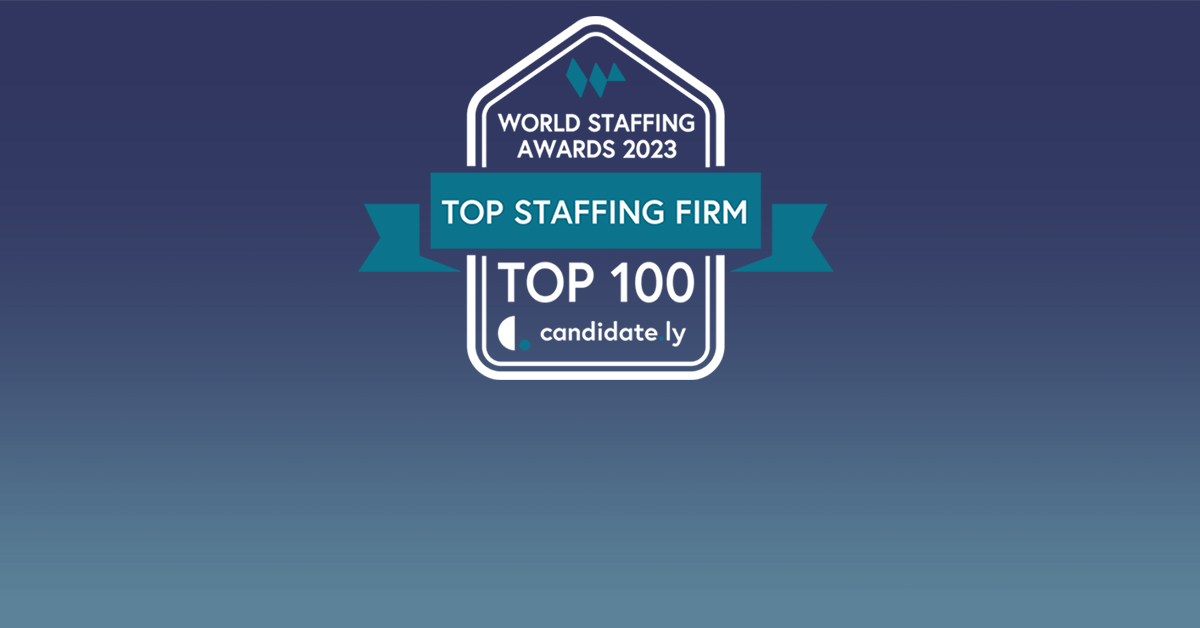
World Staffing Awards has named ABBTECH Professional Resources, Inc (ABBTECH) as one of the Top Staffing Companies to Work for in 2023. The award, presented by Candidate.Ly, recognizes superior achievement in performance and culture by top staffing companies. This year’s winners were honored during the World Staffing Summit, which took place on January 24, 2023.

About ABBTECH

In addition to being a top staffing company, ABBTECH is also a successful woman-owned business. ABBTECH has been built on a foundation envisioned by founder and CEO Kathleen C. Baker. Building on her employment service industry experience, Mrs. Baker focused on building a family-owned business that fosters a family-oriented culture for employees.  

Communication is at the heart of this dynamic. As a top staffing company, ABBTECH listens to their clients, connecting with them and forming meaningful relationships that help their clients achieve the results they are looking for. Whether assisting a business with its staffing needs or helping an IT candidate find their next position on their career path, ABBTECH is there.

Award-Winning Qualities

What makes ABBTECH an award-winning place to work? The same qualities that make them stand out as a staffing firm.

When you’re an employee at ABBTECH, you know ABBTECH is there for you. ABBTECH will take the time to understand where you’re coming from as an employee and individual. ABBTECH will work with you to meet your goals and rise to the challenges ahead so you can do your best.

They listen and speak to you. Clear communication is vital to building a positive workplace culture, and ABBTECH succeeds on multiple levels. You’ll always know where you stand, with the door open to talk and exchange feedback.

At ABBTECH, it’s their job to know the latest technology and strategies. Staying curious and bringing new ideas regularly keeps things fresh and competitive within the industry.

Conclusion

With over half a century of combined experience in the staffing industry, ABBTECH is dedicated to providing its clients with the best opportunities to find top-talent. For employees, ABBTECH offers an award-winning experience. If you’re a staffing professional eager to help people find their dream jobs and assist companies as they grow and thrive, then ABBTECH is the place for you.

Ready to find your dream job? Let our award-winning team help you search. Contact ABBTECH today!

Improve Your Time Off with these 4 On-The-Job Hacks

Improve Your Time Off with these 4 On The Job Hacks

Scheduled time off is always something to look forward to. For some of us, though, it can be anxiety-inducing. We worry about the work waiting for us or how people will feel about our absence. Your paid time off (PTO) should be relaxing and restful. With that in mind, here are four tips and tricks to help you improve your time off and make your PTO more enjoyable.

Tip #1: Plan your PTO well in advance.

The first way you can improve your time off is to plan for your time off as early as possible. If you are planning a vacation or want to take a specific holiday off, don’t wait to put in your request. This increases the chances you will get your time off. It also gives you ample time to rearrange your plans if you cannot get the time you want.

Tip #2: Prioritize tasks.

In the weeks before your PTO, take a serious look at the tasks you need to complete. Make a list of what needs to be done before you take time off and what can wait. When you organize your tasks this way, you’ll accomplish more and feel at ease during your time off.

Tip #3: Make a “To-Do” list.

Make a separate “to-do” list for when you return. Review all the tasks you determined can wait, ensuring nothing falls through the cracks when you return. Not only will this jog your memory when you return, but it will help your team be on the same page as you.

Tip #4: Let people know.

Don’t assume that your coworkers and clients know you’re scheduled for time off. Even if you have a courtesy Out of Office (OOO) reply to your correspondence, you may receive last-minute requests that add stress to your PTO. Take the time to let others know you’ll be unavailable and for how long. Also, provide an email contact for support, HR, or another department in case of emergency requests.

Conclusion

Your time off from work should be a period of relaxation and renewal. Don’t allow stress to creep in and ruin an otherwise enjoyable vacation. Taking a few steps to smooth the way, prioritize tasks, and let others know you’ll be away will improve your time off.

Looking for a new role? Start your search with ABBTECH today!

Transforming an Under Performing Employee

Transforming an Under Performing Employee

Being a manager means taking responsibility for your team, including handling and transforming the underperforming employee. When an employee isn’t pulling his or her weight, it affects the entire team’s performance.

If you feel like your team is suffering because of an underperforming employee, you have to consider why it’s happening and what you can do to manage it. Try these five steps to assess the situation and transform an underperforming employee:

1. Address the Problem

When an employee is underperforming, you want to address the issue immediately. Be tactful and discuss their poor performance with constructive criticism. Explain that you’ve observed a decline in their work and wondered if something is happening. Listen to your employee, paying attention to any cue for conflict or a need for further training. Also, consider that there may be issues outside of work.

2. Set Attainable Goals

A good manager will allow the employee to turn things around and improve his or her performance. Identify resources and tools to help the employee improve their work situation. Look for support options as well, such as professional training and software. It is essential that you make clear your expectation for performance improvement.

3. Assess Progress and Provide Feedback

Set aside time to assess your employee’s progress and provide feedback. Ask about any challenges they are facing and what support would be helpful. Recognize what the employee is doing well and what needs work. Ensure that you document these meetings.

4. Reward Performance Improvement

A word of encouragement can go a long way toward improving performance quality. If an underperforming employee is trying to improve, acknowledge it. A kind word of praise will help them stay on track and provide a positive incentive and guidance as they continue to improve.

5. Know When to Let Go

One of the most challenging aspects of transforming an underperforming employee is when you recognize that you can’t help them. Sometimes even the best efforts, guidance, and support cannot motivate an employee to up their performance. If you have provided ample opportunities and assistance and their performance is still lacking, it may be time to part ways. Though this is a difficult task, every effective manager needs to be able to make this call.

Conclusion

As a manager, you are responsible for your team and their performance. Being aware of your team and prepared with the steps above, you can quickly step in and turn things around.

Need help building your all-star team? Get in touch with ABBTECH today!

How To Get Organized When You Need a New Job

How To Get Organized When You Need a New Job

Looking for a new job is exciting. It can also quickly become overwhelming if you haven’t adequately prepared. If you’re considering leaving your current job for something new, you need to know how to get organized as it can maximize your chance of success. In this blog, we’ll discuss some of our top tips to help you prepare for your job search. We’ll also look at what you should do before you quit your current role.

Tips for How To Get Organized

Tip #1: Update your resumes and portfolios.

Your resume usually determines whether you are invited to a job interview. You can improve your chances of getting that invitation by optimizing your resume. Pay close attention to the experience and skill requirements in the job listing. One of the benefits of knowing how to get organized can be the fact that you don’t need to redo your resume for every application. Instead, have a base resume and minor modifications to emphasize your skills matching the job description.

Ensure that your online portfolio of work is up-to-date and applicable as well. Refresh your samples frequently and maintain a diverse portfolio to appeal to a range of potential employers.

Tip #2: Collect your references.

References are another essential part of the application process. Ensure you have a few professional and personal references collected to include with your application. Make sure you talk to each reference and ask their permission before using their name. Also, get up-to-date contact information for them, including their online professional pages such as LinkedIn.

Tip #3: Clean up your online presence.

Speaking of online presence now is a good time to look at your professional and personal profiles and clean them up. Potential employers look at social media profiles, so you must ensure that what you present is how you wish to be seen. Your professional profiles on sites such as LinkedIn should be current and explained well. Have a coworker or manager look at your professional profiles and give you their thoughts and suggestions for improvement.

Tip #4: Plan for your job transition.

Before submitting the first application, you must consider what happens if you get the job. Leaving your current job could mean a lapse in benefits coverage. You’ll also have to plan for transitional funds to get you from your last paycheck there to your first at the new job. Investments and retirement funds may need to be rolled over or completely redone. And if the new job requires relocation, all the financial and organizational issues also. Planning for transition before getting a new job will alleviate much stress and frustration down the road.

If you’re ready to start your search for a new job, consider searching with ABBTECH today!

Make Yourself A More Marketable Applicant

The job market is more competitive than ever. To stay in a strong position to compete for your dream job, you have to be marketable. Making yourself a more marketable applicant means making yourself so valuable that your current employer wants to keep you, and prospective employers will do anything to get you.

If you’re in the market for a new job in the new year, you must commit to being more marketable. This means expanding your skills and your knowledge to stay current and competitive. Not sure where to start? Use these tips to start improving your marketability.

1. Enrich Your Knowledge

Commit to learning and improving continually. Even if the knowledge isn’t relevant in your current job, you need to be up to date on all the latest developments in your industry. You can gain new knowledge and skills through online courses and seminars, distance learning, continuing education (CE) courses in-house, and even by reading industry publications.

2. Upgrade Your Skills

The first measure of marketability is your skillset. Keep your skills current and relevant by attending workshops, pursuing certificates and CE credits, and attending informational and training conferences and events. Review your skillset and look for gaps that need addressing. Developing your technical and soft skills will help you diversify and advance in your career.

3. Expand Your Network

Your network of professional contacts is among the most useful job search tools you have. Join professional associations or organizations to establish more connections and build on your current ones. Attend events and conferences to interact with your peers. Participate in online discussions and online groups related to your profession and stay up to date on the latest news and developments.

Networking is also the ideal way to connect with professionals in your field that could provide guidance and mentorship along the way.

4. Build Your Personal Brand

When you market yourself to prospective employers, you are essentially selling yourself. You must build a strong, consistent personal brand to present to future employers. Update your resume with your current and relevant skills and training. Update your resume on LinkedIn and any professional sites as well. Have a professional headshot taken for your profiles.

Depending on your industry, having a portfolio of your best work available for review is essential. It’s an easy way to show future employers the quality of your work and the value you place on it. Attach your portfolio to your professional sites as well so future employers see what you can do.

Conclusion

Improving your marketability takes commitment and effort. You must build a solid brand for yourself, learn and acquire new skills, and expand your network. The fruits of that effort, however, are well worth it and increase your chances of landing your dream job.

If you’re ready to find your next job in the new year, consider searching with ABBTECH today!

Is it Time for the 4-Day Work Week? Pros & Cons to Consider

Many companies are making changes in an effort to attract top talent and retain more workers. One concept generating interest and increasing in popularity is the 4-day work week. The 4-day work week compresses the traditional 40-hour work week into four days or shortens it to 32 hours a week.

Modifying the work week in this way helps many businesses keep employees productive and engaged. As with any concept, there are some downsides, too. In this blog, we’ll look at the pros and cons of implementing a 4-day workweek for your company. Is a 4-day workweek the right decision for you? Read on to find out!

Pros & Cons of the 4-Day Workweek

4-Day Work Week – Pros

Flexibility and Work-Life Balance

For most employees, the added flexibility and better work-life balance that a 4-day workweek provides is the most important advantage. With so many employees struggling during and following the pandemic, preventing burnout and handling mental health issues have become priorities. Having an extra day off a week or working shorter hours gives employees extra time to handle their families and personal health.

Increased efficiency and productivity

A lot of time is wasted at work, most of it through inefficiency and mismanagement. Many employees say they can do their jobs in five hours or less. Reducing the work hours each week, or compressing them, allows employees to work smarter rather than harder. Instead of wasting time on work tasks that aren’t related to their job, they can focus on their core job. Employees are more productive, produce better quality work, and, ultimately, save the company money.

Improved recruitment and retention

People are tired of work being the center of their lives. The 4-day workweek appeals to job seekers’ need for employment that is efficient, purposeful, and healthy. Businesses that switch to a 4-day workweek see a boost in their organization’s ability to attract and retain the right talent.

4-Day Work Week – Cons

Existing Negative Bias

The biggest disadvantage of implementing a 4-day workweek is the negative bias against it that still exists. Some managers, employers, and even employees are concerned that switching to a 4-day workweek could negatively affect the company. Fear of decreased sales and revenue and reduced productivity, as well as the potential effects on customer service and the company brand, discourage many from offering a compressed or shortened work week.

Increased Operating Costs in Certain Industries

Post-pandemic, most businesses have seen their operating costs go up. Inflation, energy prices, supply chain disruptions, and consumer demands have all driven up costs. For some industries, the additional costs of adding more workers to cover the adjustment in work hours may not be an attractive feature of the 4-day workweek.

Conclusion

A 4-day workweek comes with a lot of positives and few negatives. If you’re ready to increase productivity, reduce employee turnover, offer a better work-life balance, and more, then the 4-day workweek is an ideal choice for you.

If you need help building your dream team in 2023, contact our team today!

3 Tips to Help You Earn a Promotion This Year

If you’ve been working toward a promotion at work, you may wonder if you can improve your chances of getting it in 2023. Earning a promotion raises your position in a company, as well as increasing your salary, benefits, and sense of accomplishment. Below are 3 tips to help you earn a promotion this year.

When you’re ready for a promotion, the key is catching your employer’s attention. While your job performance, knowledge, experience, and skills are essential, they may not be enough. If you are ready to earn that promotion you’ve been working towards, follow these helpful tips to increase your chances.

Get Yourself Noticed to Help Earn a Promotion

You know you deserve a promotion, but does your employer? Even if you’ve been working towards a promotion for years, your employer may not know you’re interested. You need to put yourself in a visible position and show your employer why you deserve to be promoted.

Demonstrate your leadership skills and the positive contributions you make to the company. Look for opportunities when you can showcase your knowledge, abilities, and accomplishments. Performance reviews and staff meetings are great opportunities to shine your light.

Continue to learn and broaden your knowledge and skills through educational courses and programs. If your company sponsors opportunities to learn, take advantage of them. Constantly seeking improvement and growth increases your value as an employee and improves your chances of promotion recommendation.

To Help Earn a Promotion – Pay Attention

Look at the promotion history of your company and your team. What achievements, habits, or personality traits helped other employees earn promotions? Understanding the skills and experience that helped others succeed will guide you in your pursuit of advancement.

Talk to Your Employer

Want to know exactly how to get promoted at work? Talk to your employer. They are the best source of information about the promotion process. Plus, they can provide you with valuable feedback on your performance and what you need to do to move forward.

When you talk to your employer or supervisor, make your case for promotion. Be professional and include your current responsibilities and achievements. Show them how your work has benefited the company; include specific examples. Be specific when you let them know you are interested in promotion and follow their suggestions to increase your chances of success.

Conclusion

When you’re ready to go after that promotion at work, having effective strategies and goals keeps you motivated. Focus on professional improvement and get noticed for all the right reasons so you can achieve your career goals in the new year.

If you are ready to advance your career in the new year, consider searching with ABBTECH today!